Introduction
You’ve got your rod, your license, and a stretch of water that looks promising. Now what? Wandering up to the edge of a lake or pond without a plan leaves a lot of fish uncaught. Whether you’re working a farm pond for bluegills or walking the shoreline of a sprawling reservoir, a handful of freshwater shore fishing tips for beginners will shorten your learning curve and put more bends in your rod. This guide breaks down what to target, how to read the water, and how to fish it effectively – all without needing a boat.
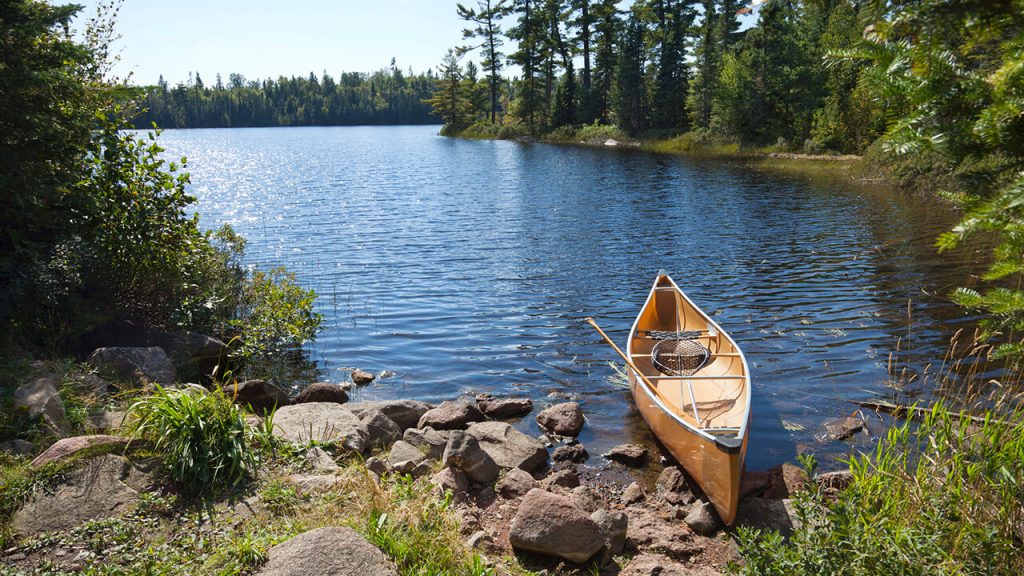
What to Fish For – Reading the Water and the Species
Before you tie on a lure, think about the lake you’re standing beside. Warmwater lakes and ponds – those that heat up quickly in spring and stay warm through summer – will most often give up largemouth bass, sunfish like bluegill, crappie, and channel catfish. These fish dominate shallow, fertile water.
Bass are structure-oriented ambush predators. They hold tight to wood laydowns, dock pilings, weed edges, and any break that lets them rush out at prey. Sunfish and crappie tend to school, especially around brushpiles or overhanging trees, and their eagerness to bite makes them perfect early targets. Catfish are a bit different – they’ll cruise shorelines after dark and often pick up baits fished on the bottom.
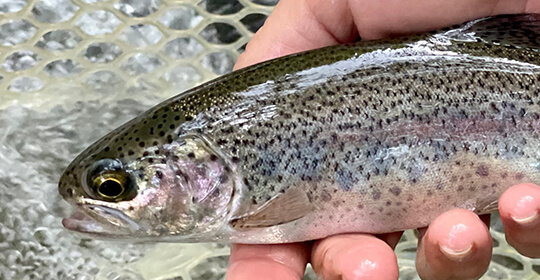
If your local water stays cool or deep enough to support a coldwater ecosystem, the cast of characters changes. Rainbow, brook, and brown trout might move into the shallows during spring and fall. Northern pike lurk in weed beds and ambush anything that swims by. Yellow perch and walleyes often relate to gradual points or deeper weed edges that can be reached from shore with a good cast. Knowing which species are present helps you fine-tune both location and presentation. Bass Fishing Lures
Evaluating the Location – Scouting Your Way to Success
A good day of bank fishing starts long before the first cast. Scouting, even just with your phone’s mapping app, answers critical questions that most beginners overlook.
Mobility matters. Can you walk the shoreline or are you locked into one small access point? The spot closest to the parking lot gets hammered by constant pressure. Fish that see baits every day become finicky and harder to catch. If you can follow a trail for ten minutes to reach an untouched cove, you’ll often find more willing fish.
Depth at your feet. A long pier or fishing dock that juts into deeper water is a major asset. Through the heat of summer, many fish slide into cooler, deeper zones that a cast from a shallow bank can’t reach. A dock gives you a path to that water without a boat. Look for structure where the dock meets the bottom – rocks, brush, or shade lines – and you have a built-in hotspot.
Wading opportunities. If the bank is gently sloping and the bottom is firm – gravel, sand, or packed clay – wading can open up casting angles you’d never get from shore. Soft, mucky bottoms not only make wading difficult but stir up clouds of silt that spook every fish in the area. Shin-high waterproof boots keep you comfortable and safe.
Safety checks. Biting insects are one thing; alligators in southern waters and venomous snakes in thick grass are another. Know what’s in the area and dress accordingly. Sturdy boots and long pants aren’t just about comfort – they’re about avoiding a bad day.
Permission and access. Not every promising pond is public. If you’re eyeing private water, get permission first. A few friendly questions can unlock a spot that nobody else fishes. Finally, talk to local anglers or check regional fishing reports to confirm what species are present and how abundant they really are. No technique in the world makes up for a lake with very few fish.
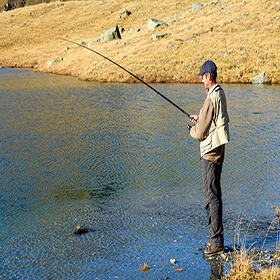
Focusing Effort – How to Fish Smarter from the Bank
Putting in time is one thing. Putting your casts in the right places is what fills your stringer.
Quiet matters. Fish sense vibration through the water far more than they hear sound in the air. Heavy footsteps on a wooden dock or rock bank send pressure waves that spook bass and trout long before you see them. Walk softly, talk low, and avoid dropping gear on hard surfaces.
Work the cover, then the open water. Warmwater fish don’t cruise aimlessly in the middle of the lake. They relate to visible and submerged cover – weed lines, fallen trees, docks, bridge pilings, and the shade those structures cast. Start your casts parallel to the bank, moving your lure or bait along the first major break. After you’ve picked the cover apart, fan-cast into open water: left, center, right, then step a few feet and repeat. This methodical coverage ensures you don’t walk past a fish that was holding just outside your initial casting lane. [Suggested Image: Angler fan-casting from a grassy bank with a spinning rod, covering water in a pattern.]
Shade is a strike zone. Under the midday sun, fish push tight into any shade available – overhanging trees, road bridges, even the shadow cast by a tall bank. Casting into the shade keeps your bait in the strike zone when fish refuse to expose themselves to bright light.
Timing your session. Arriving at dawn does two things: it puts you on the water when fish are most active during low-light conditions, and it lets you claim the best spots before other anglers arrive. In the spring, target coves and flats that warm up quickly – a dark bottom soaking up sun will be several degrees warmer than the main lake, and that draws baitfish and pre-spawn predators. In summer, that same shallow area can become a dead zone at noon; instead, cast toward deeper edges or fish the low-light windows early and late.
Gear that makes sense. For most freshwater shore fishing, a 6- to 7-foot medium-light spinning rod spooled with 6- to 10-pound test line is a versatile starting point. Longer rods in the 7- to 8-foot range let you launch lighter lures farther, keep more line off the water, and give you better leverage when a fish runs for cover. [Recommended Product] A reliable medium-light spinning combo handles everything from small jigs to live bait rigs. If you’re moving frequently, pack light – a small backpack or waist pack holding a single tray of essentials keeps you mobile and efficient.
Bait and depth control. When using natural bait like worms, minnows, or crickets, depth is often what makes the difference. A slip float rig lets you adjust your bait’s depth without retying, allowing you to probe from bottom to surface until you find where fish are feeding. Bait must be fresh, lively, and sized to match what your target species naturally eats. Soft Plastic Lures
Observation beats luck. Watch for baitfish dimpling the surface, wading birds stalking the shallows, or a predator’s subtle swirl. Wind direction matters too – a breeze pushing into a bank stacks up warm surface water and plankton, which draws in minnows and the fish that feed on them. Read the water and you’ll spend less time casting to empty zones.
Practical Fishing Tips
These quick reminders distill the core ideas you should carry on every trip:
- Fan-cast in a systematic pattern to eliminate dead water.
- Keep your shadow off the water; approach banks with the sun in your face when possible.
- A slip float with a small jig or live bait is the most beginner-friendly way to search multiple depths.
- In spring, focus on shallow, dark-bottomed areas that warm first.
- During summer, fish the low-light hours and target shade or deeper pier edges.
- Always check regulations on bait dumping and waste disposal – leaving bait behind is often illegal.
Common Mistakes
Most slow days from the bank come from the same few missteps. Avoid these and your odds improve fast.
1. Staying in the parking lot. The most heavily pressured water is always the closest to easy access. Walk an extra five or ten minutes to reach less-fished shoreline.
2. Fishing a bait at the wrong depth. If you’re not getting bites on a live bait rig, adjust the depth before changing the bait. A slip float makes this simple.
3. Making too much noise. Heavy footfalls, loud talking, and slamming gear boxes on docks send vibrations that turn fish off instantly.
4. Using tackle that’s too heavy. Overly stout rods and thick line reduce casting distance with small baits and kill the subtle action that triggers finicky fish. A medium-light setup covers most shore scenarios.
5. Casting only straight out. Shorelines are edges. Many fish cruise parallel to the bank. If you only bomb casts to the middle, you miss fish that are right in front of you.
6. Ignoring environmental clues. Wind direction, bird activity, and baitfish movement tell you where fish are actively feeding. Ignore them and you’re guessing.
FAQ
Q: What is the best time of day for freshwater shore fishing?
A: Early morning and late evening during low-light periods are consistently productive. In spring and fall, midday can work well too, but during summer, focus on the first and last two hours of daylight.
Q: Can I catch bass from shore without a boat?
A: Absolutely. Many trophy largemouth are caught from the bank. The key is targeting cover, fishing during low light, and being quiet. A well-placed cast near a dock or fallen tree often outperforms a boat in open water.
Q: What is the simplest rig for a beginner to use from shore?
A: A slip-bobber rig with a small hook baited with a worm, minnow, or soft plastic grub. It allows you to adjust depth easily and keeps the bait in the strike zone longer.
Q: How do I choose the right lure for a lake I’ve never fished?
A: Match the hatch. If you see small baitfish, a small minnow-imitating jerkbait or soft plastic swimbait is a great start.Minnow Lures For dark water or overcast skies, try something with more vibration or bright color. When in doubt, a natural-colored soft plastic worked slowly near cover is rarely ignored.
Q: Do I really need to be quiet when fishing from shore?
A: Yes. Fish are more sensitive to vibration than airborne noise. Heavy steps on hard ground or a dock travel into the water quickly. Soft movement keeps fish from scattering before your bait lands.
Conclusion
Shore fishing isn’t a handicap – it’s just a different set of decisions. By scouting your location, understanding which species are present, and applying a few focused freshwater shore fishing tips for beginners, you can catch fish consistently from places most anglers walk right past. Stay mobile, fish the cover, adjust your depth, and pay attention to what the water is telling you. Build your skills one trip at a time, and always leave the bank cleaner than you found it. For a deeper dive into how different lure types perform from shore, explore our Fishing Knowledge Center.