Introduction
If there is one constant in carp fishing, it is that particle baits catch fish. Whether you are spodding out a mix of hemp and corn or presenting a single, perfectly balanced tiger nut on a hair rig, prepared particles are the backbone of modern specimen angling. However, if you have been fishing long enough, you know that not all bags of corn or hemp are created equal.
We have all opened a tin or a pouch and noticed the grains are too hard, too mushy, or simply lack the visual appeal that drives a carp to feed confidently. The difference between a bait that triggers a feeding frenzy and one that just sits on the deck often comes down to what happened before it ever reached your hands. Understanding the manufacturing process—from raw material selection to the final preservation method—is key to selecting a bait that performs consistently, season after season.
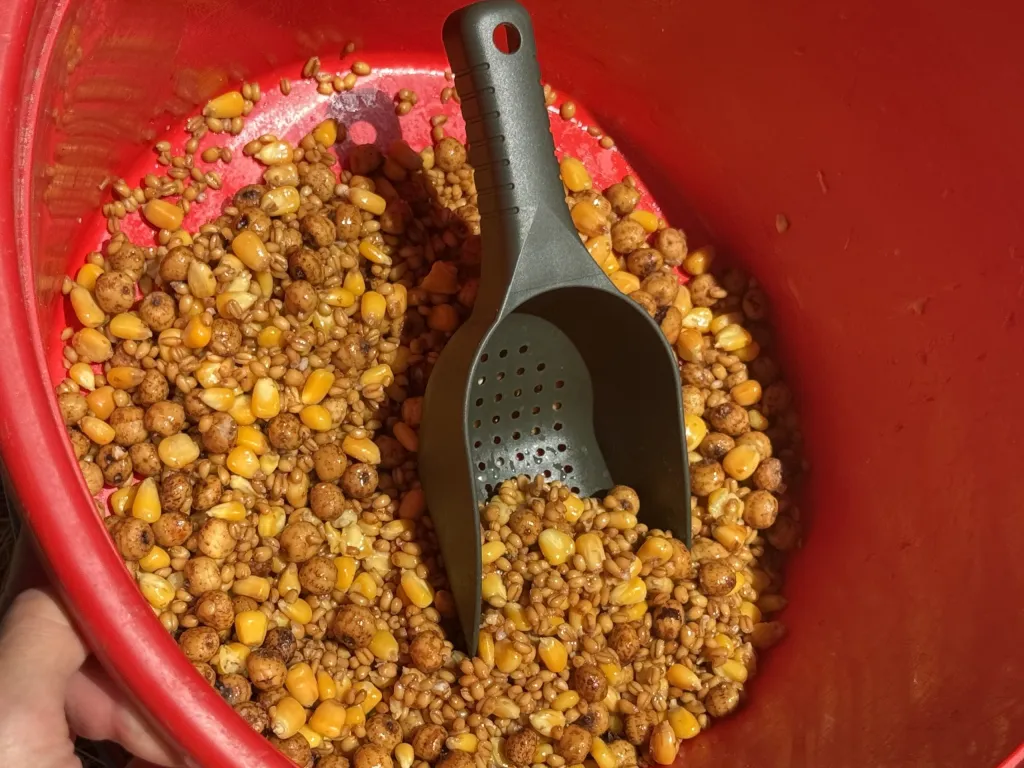
For decades, anglers have relied on corn, wheat, hemp, and tiger nuts to put fish on the bank. These ingredients work across a massive range of scenarios, from short evening sessions on commercial venues to long-stay campaigns on massive European reservoirs. You can use them as a loose feed to create a carpet of attraction, or you can glue them to a rig as a high-attract hookbait.
As the industry has evolved, so has the technology behind the bait. Modern manufacturing, particularly seen in the European market with brands like Carp Expert, has moved far beyond simply boiling seeds and sealing them in a tin. Today’s best baits are engineered through controlled systems where hygiene, processing temperature, and packaging are treated as interconnected parts of a single puzzle.
The Foundation: Sourcing and Storage
The quest for a consistent bag of bait begins long before the cooking process. It starts with the raw material.
If you are fishing a high-stakes session, the last thing you need is a bait that varies in nutritional quality or oil content from one batch to the next. Leading manufacturers mitigate this by sourcing exclusively from pre-selected suppliers. This strict control ensures that a rogue batch of low-grade corn doesn’t sneak into the production line and ruin the consistency of the blend.
Once the raw materials arrive, separation is critical. Different particles have different moisture contents and densities. In professional facilities, dedicated storage containers are assigned to specific ingredients—hemp is never mixed with tiger nuts during storage. This prevents cross-contamination and ensures that the physical integrity of the seed remains intact. It is a level of detail that home bait makers often overlook, but it is the foundation of a professional product.
Processing: Why One Size Doesn’t Fit All
Here is where the technical expertise really matters. You cannot process a soft kernel of corn the same way you process a dense, fibrous tiger nut. They have different cell structures. If you cook them together under the same parameters, you will end up with one ingredient that is perfectly split and another that is either rock hard or falling apart.
This is why individual processing protocols are so important.
- Corn (Maize): Requires high temperatures to gelatinize the starches, making it digestible and sweet.
- Tiger Nuts: Need a longer soaking period and specific cooking times to achieve that firm-but-hookable texture without fermenting prematurely.
- Hemp: Needs to split open to release the white kernel inside, acting as a massive visual and olfactory trigger for carp.
By controlling the sequence and parameters for each ingredient separately, manufacturers can minimize variation between batches. When you buy a bag of bait in July, it should look and act exactly like the bag you bought in April. That reliability allows you to build a feeding strategy with confidence.

Shelf Life vs. Texture: The Preservation Trade-Off
One of the most interesting aspects of particle bait production is the relationship between shelf life and texture.
There are two main technological routes:
- Short Shelf Life (6 Months): These products are typically packaged directly after cooking. Because they don’t require aggressive preservation, they retain a texture closer to freshly cooked bait. They are often softer and leak attractants into the water column faster.
- Long Shelf Life (12 Months): To keep bait stable for a full year, manufacturers must use a different preservation process. This often requires specific protocols that slightly alter the texture but provide massive convenience for the angler who wants to stock up.
This distinction matters for your fishing. If you are fishing a short session in cold water and want maximum leakage, a soft, short-life product might be best. If you are storing bait for a month-long trip, the 12-month version is the practical choice.
The Premium and Hookbait Difference
This is where the technology really diverges from standard fare.
Premium Particles: These undergo an additional processing stage after cooking. This often involves a specific drying or glazing process that enhances visual appeal and durability. They are designed for situations where you need a particle to stay intact longer in the water, or where you want a distinct visual contrast on the lakebed.
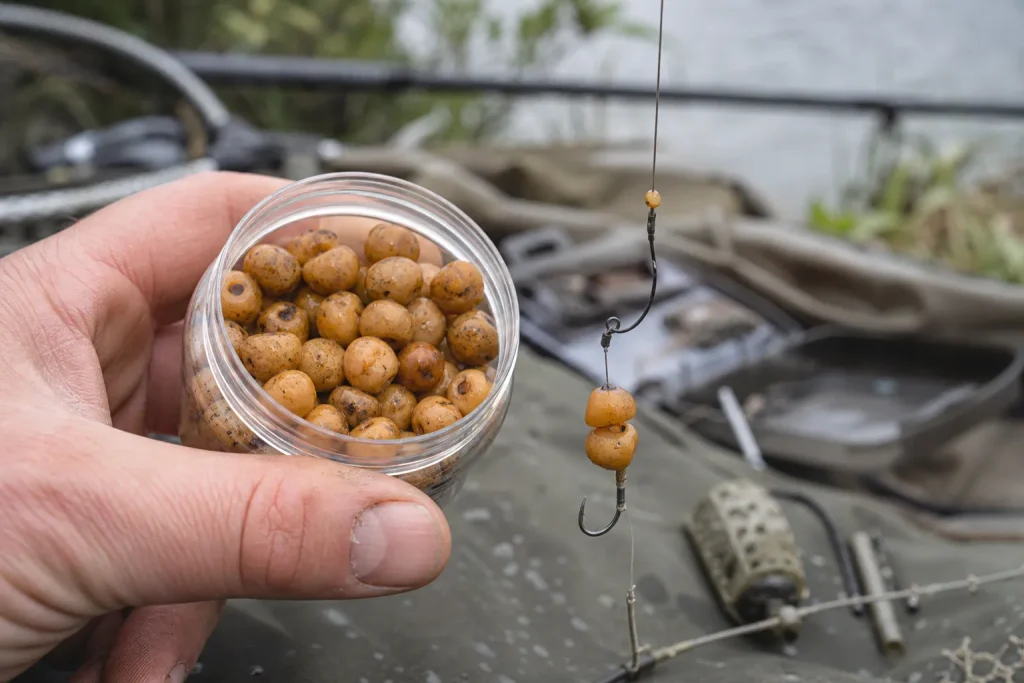
This is a crucial distinction for the angler. You do not use these for spodding. These are developed specifically for the business end—the hook. The size grading is usually tighter, and the texture is optimized to sit perfectly on a hair or a bayonet. They are designed to be the standout offering in a bed of freebies. If you are looking to upgrade your rig presentation, this is where you start. [Internal Link: Product Page]
Fermented Particles: The New Frontier
Traditionally, anglers associate fermented baits with summer. The warm water helps the natural acids and gasses disperse, and the carp are actively looking for that sour, broken-down food source.
However, recent technological developments have challenged this view. Products like the Pro Particle Fermented range have been designed to offer the benefits of fermentation without the harsh, overly acidic profile that can spook fish in cooler temperatures.
The objective is to create a bait that is effective during the colder months, not just in July. This opens up a new door for winter carp fishing, where a mild fermented note can be the trigger that gets a lethargic fish to feed. The process involves proprietary recipes that have been developed over 15 years, not just an overnight soak. It is a more balanced, complex flavor profile.
Understanding Blends: The Art of the Mix
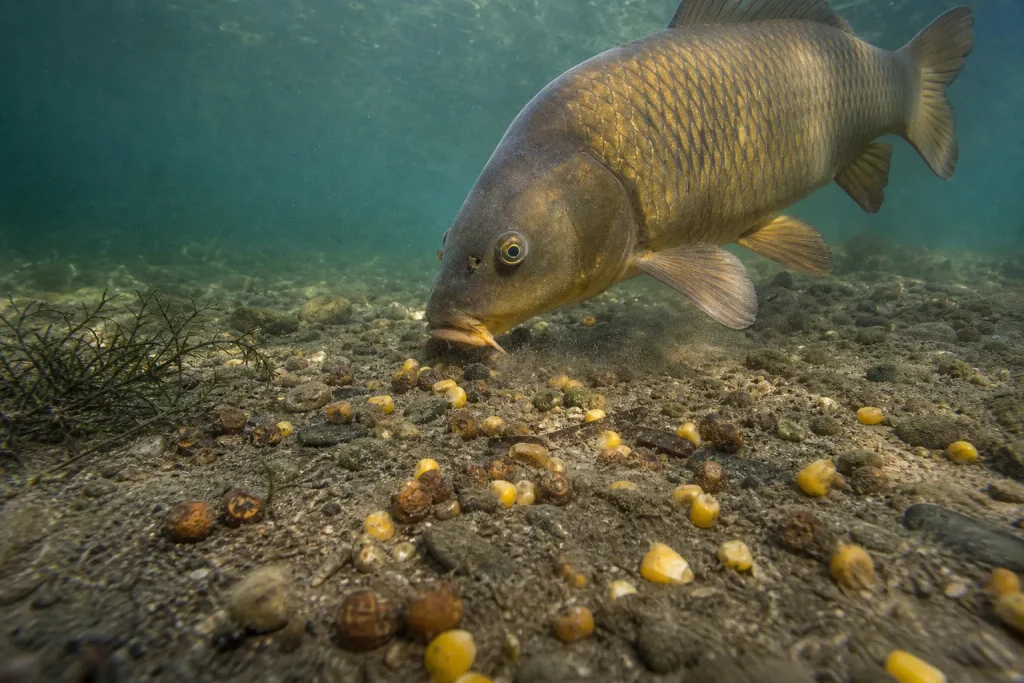
While single-ingredient baits are perfect for targeting a specific response, blends are the workhorses of a solid spod mix.
Creating a high-quality blend is harder than it looks. If you simply dump seven ingredients into a bucket, the heavier particles will sink to the bottom of the bag while the lighter ones float to the top. You end up with an inconsistent mix.
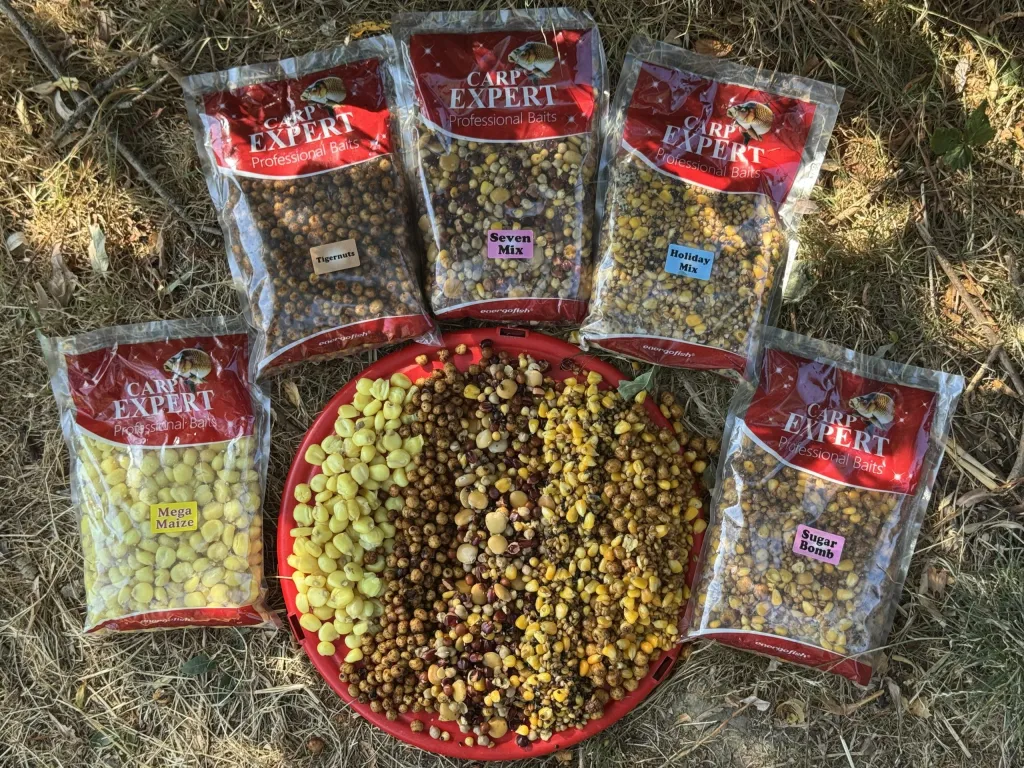
Professional blends, like a “Seven Mix” or similar complex products, are engineered to stay homogeneous. Manufacturers carefully consider the size and density of each component so that a scoop from the top of the bag contains the same nutritional profile as a scoop from the bottom. This ensures that the fish are receiving a balanced meal every time you spod out, which keeps them grubbing around for longer.
Practical Fishing Tips
- Match the Texture to the Session: If you need to create a cloud and hold fish in the swim for a long time, use a mix of hemp and a softer maize. The hemp creates the fizz, while the soft corn gives them a reward for staying.
- The “Hookbait vs. Feed” Rule: Always make your hookbait stand out. If you are feeding standard corn, use a Premium or Jarred corn on the hook. That slight difference in color or shine often makes the difference.
- Winter Fermentation: Don’t be afraid to introduce fermented particles in late autumn. As long as the profile is mild, the “sour” scent can suggest a decomposing food source that is easy to digest, which carp crave as the water temperature drops.
Common Mistakes
- Ignoring Batch Consistency: If you find a bag of bait that works, note the lot number. If a manufacturer changes their process, the bait might behave differently. Stick with brands that prioritize batch consistency.
- Overfeeding with Hookbaits: Jarred hookbaits are often more expensive because they are processed more. Using them for mass feeding is wasteful. Use them strictly for the rig.
- Storage After Opening: Once you open a pouch of long-life bait, treat it like fresh produce. If you don’t use it all, keep it refrigerated to prevent secondary fermentation that can turn the bait sour and rancid.
Conclusion
When you are standing on the bank watching the water, it is easy to forget the science that goes into the bait in your bucket. However, the link between the manufacturer and your landing net is direct. Prepared particle baits for carp fishing are only as good as the system that creates them. From the sourcing of the raw seed to the temperature of the cooking vessel and the method of preservation, every step dictates how that particle will behave on the lakebed.
By understanding these principles, you can make smarter choices. Look for products that offer defined protocols, respect the raw material, and offer specific solutions for hookbaits versus feed. When you find a quality product that you trust, you are not just buying bait—you are buying a reliable tool that gives you the confidence to fish harder and longer.
FAQ
What is the difference between a 6-month and 12-month shelf life particle bait?
A: It is more than just expiration dates. A 6-month product is usually processed to retain a softer, “fresher” texture with less aggressive preservation. A 12-month product undergoes a different preservation protocol to ensure stability, which can sometimes result in a slightly firmer texture.
Can I use fermented particles in winter?
A: Yes, but you should be selective. Traditional ferments are very acidic and work best in warm water. However, newer generation ferments are designed with a softer profile, making them effective in cold water where the breakdown of natural food sources is slower.
Why do tiger nuts need different processing than corn?
A: Tiger nuts are much denser and contain different oils and fibers. They require specific soaking and cooking times to achieve the right consistency for hooking. If processed like corn, they would either remain rock hard or dissolve into mush.
What makes a jarred hookbait different from bulk particles?
A: The selection and processing. Jarred hookbaits are usually size-graded for consistency and processed to enhance their visual appeal and texture specifically for hook presentation, ensuring they stay on the hair rig perfectly during the cast and retrieve.
Why is consistency from batch to batch so important?
A: Carp become accustomed to a specific food source. If the texture or digestibility of your bait changes from week to week, the fish may stop feeding confidently. Consistent bait allows you to build a long-term feeding strategy that the carp learn to trust.